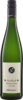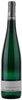
Descriptions of Riesling overflow with praise. It is called the most important white grape, one of the 'cépages nobles', the French term for the world's noblest varieties, and the 'queen of white wines'. The countless synonyms in many languages readily suggest how widespread it is. Exactly where this exceptional grape's success story began remains unclear, although it most probably originated in the Rhine Valley. Historical documents record trade in the old variety there. Even if its birthplace is unknown, DNA analysis has identified its parents. In this special case, there are said to have been three: a wild vine, Traminer and white Heunisch. We will leave the morals of this 'ménage à trois' unjudged; in sensory terms, however, it is a highlight. Fruity aromas including apricot, peach and citrus, with harmonious acidity, body and extract: that is Riesling in the glass. The grape ripens slowly and late, making northern areas with heat-retaining soils, such as the Rhine, Mosel and Saar valleys, the Palatinate and Alsace, particularly suitable. It is thus selective about site, while making comparatively modest demands on soil composition. The range of Rieslings on offer consequently extends from uncomplicated everyday wines to award-winning wines of the highest quality.