

Grape Varieties
Vitis vinifera, commonly known as noble grapevine is the botanical name of the plant whose remarkable fruit gave us wine, arguably one of history’s most significant pleasures. As with most cultivated plants, countless different forms developed over time, generally referred to as grape varieties.
Clay vessels with wine-related reliefs, thought to be over 7,000 years old, have been found in Georgia. Finds in China suggest an even earlier date for viticulture, around 9000 BC. However long people have made use of Vitis vinifera, more than 10,000 grape varieties have since developed, by chance or through deliberate breeding. Around 2,500 are authorised for winemaking in various countries. Most are rarely planted, however, and only a few hundred varieties are significant, with fewer still important beyond their own region. To make sense of this diversity, varieties are classified by their use, ripening time, resistance or relatedness.
Ampelography, the detailed study of grape varieties, is mainly of interest to specialists. For most wine drinkers, once they have established whether the grapes are white or red, it is the flavour, structure, longevity and ageing potential of the wine that matter.
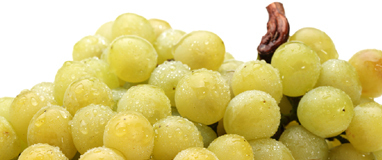 White Grape VarietiesWhite wine is made by fermenting pale or white grapes. |
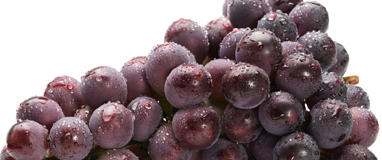 Red Grape VarietiesRed wine is made from red or blue grapes. As well as the type of grapes used, |

 +49 (0) 8362 9308800