

Regions
Just as the people of a region share values, traditions and customs while retaining their individuality, its wines share distinctive traits. From native grape varieties and individual mineral notes to traditional winemaking, you can taste where a wine comes from. That gives wine lovers another way to explore their preferences, by the growing regions of each country as well as by grape variety.
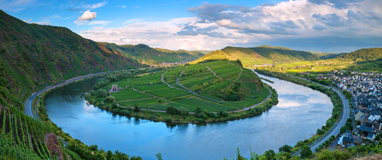 GermanyIn figures, Germany’s 13 winegrowing regions amount to 100,000 hectares of vines, from the Elbe to Lake Constance. |
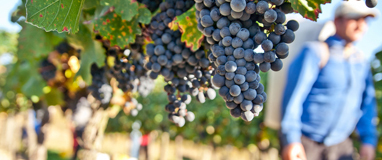 AustriaAustria is a country through and through devoted to wine. Whole federal states are designated winegrowing regions in their own right. |
 ItalyItaly is wine. Each of Italy's 20 administrative regions, from Trentino to Sicily, has vineyards of its own. |
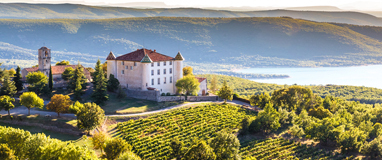 FranceAlthough France trails Italy in vineyard area and volume of wine produced, it still feels like the benchmark for quality. |
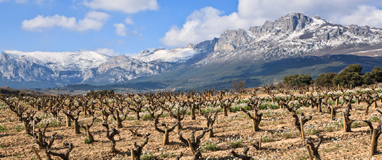 SpainSpanish wines have a reputation for being big, powerful reds. That is only half the story: white grapes account for 50% of Spain’s vineyard area. |
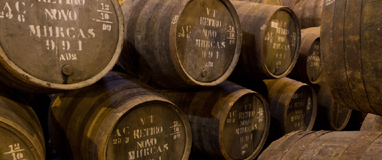 PortugalPortugal delights in its contrasts. Inland, the favourites are rich, tannic reds, Port and Madeira. |
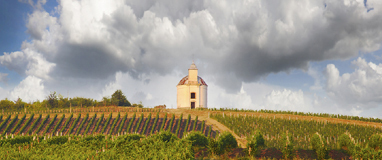 HungaryHungary has a very old winegrowing tradition, though it is not always widely recognised. |
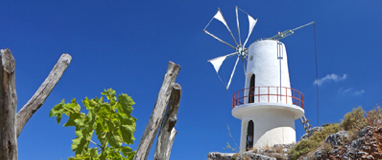 GreeceThanks to the Greek gods, an affair between Zeus, father of the gods, and the beautiful Semele brought forth Dionysus, the future god of wine. |
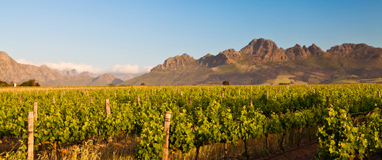 South AfricaIn the valleys of mountain ranges millions of years old, vines benefit from the maritime climate. |
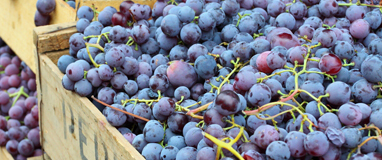 ChileWhether you call Chile the ‘Bordeaux’ of South America or Latin America's wine-growing paradise. |
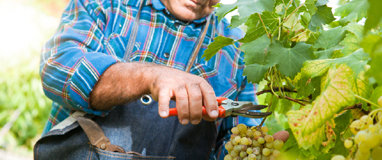 ArgentinaNearly 220,000 hectares of vineyards stretch for 1,750 kilometres along the foothills of the Andes. |
 New ZealandAlthough winegrowing has a relatively short history in New Zealand, the wine industry is already one of the country’s most important sectors. |

 +49 (0) 8362 9308800